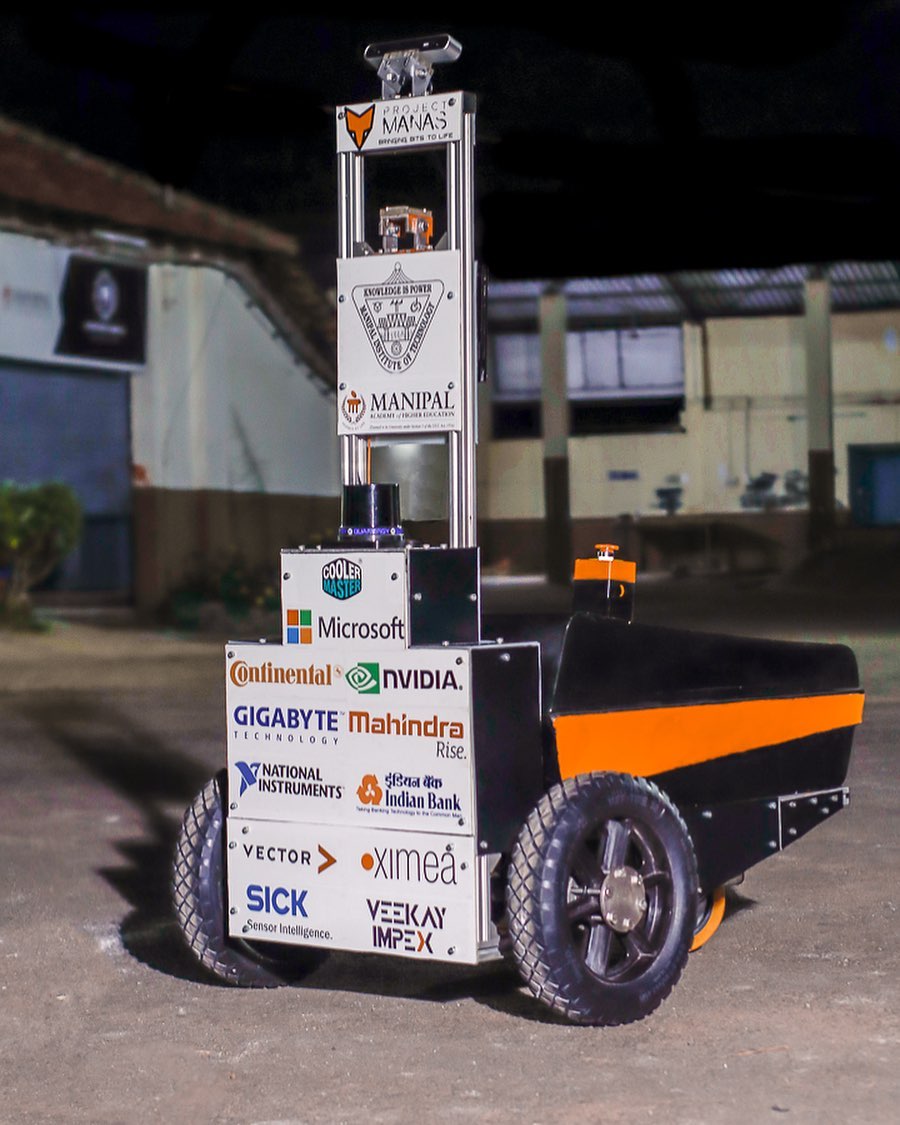
An autonomous unmanned ground vehicle built with Project Manas for the Intelligent Ground Vehicle Competition (IGVC) at Oakland University. Helped win IGVC 2019 and several other awards.
Software engineer building Agents, Evals and Harnesses @ Microsoft
I’m drawn to problems and solutions that sound like they came straight out of science fiction. Smartphones that peer beneath skin. A microscope built from cardboard and off-the-shelf parts. Robots and vehicles that drive themselves and make sense of the world around them. And lately, agents that work alongside people the way a colleague would — freeing them from drudgery and acting as a rocketship for their creative minds. Managing the work today; compressing research and development cycles by orders of magnitude before long.
Core contributor to Team Copilot's multi-agent orchestration engine — task decomposition, agent tooling, enterprise grounding, and LLM-judge eval frameworks across Microsoft 365.
Built and deployed production ML systems across three domains in a fast-moving startup, each owned end-to-end from data to deployment: performance-loss prediction for solar plants (time-series), bathymetric LiDAR segmentation with an active-learning MLOps loop, and video auto-labeling with Siamese networks. The solar system unlocked 1–3% additional power output through optimised maintenance scheduling, and the labeling tool cut annotation costs by over 80%. Also co-authored grant-winning proposals for Indian government AI programs.
Client-side caching cut page load time by 73%; built the Planner → Project import flow.
Organised expert talks, workshops, and competitions for the student chapter.
An autonomous unmanned ground vehicle built with Project Manas for the Intelligent Ground Vehicle Competition (IGVC) at Oakland University. Helped win IGVC 2019 and several other awards.
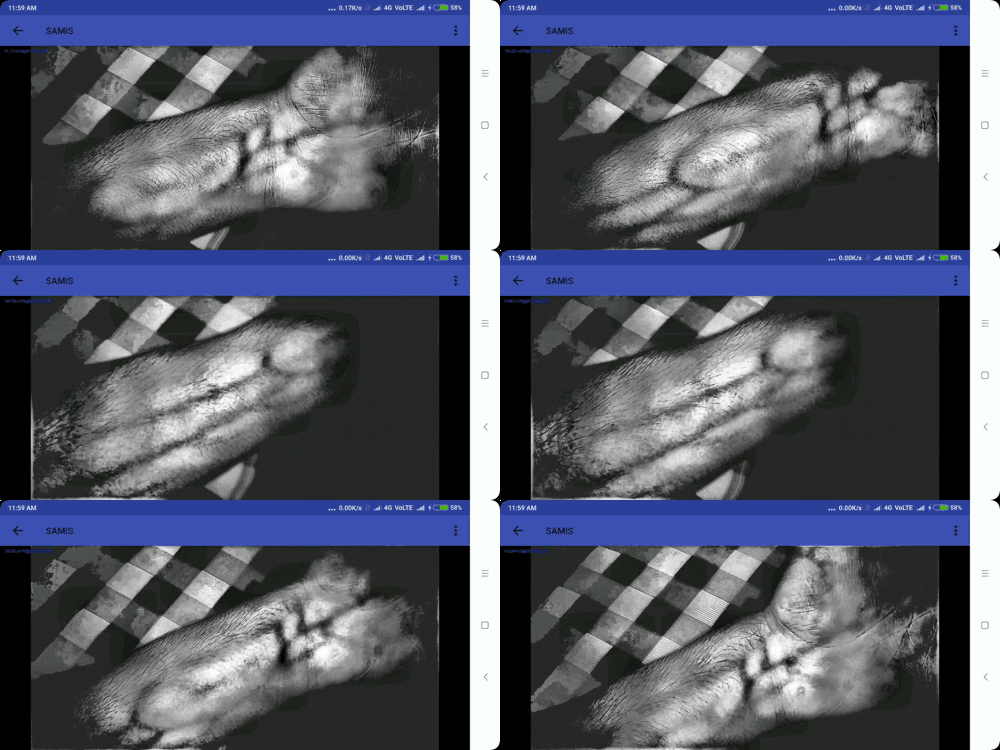
A smartphone-based vein-imaging system that uses visible-spectrum image processing to visualize subcutaneous veins without IR hardware, aimed at making IV access easier for nurses. Won Second Place Grand Award in Biomedical Engineering at Intel ISEF 2017 and the Grand Award at IRIS 2016.
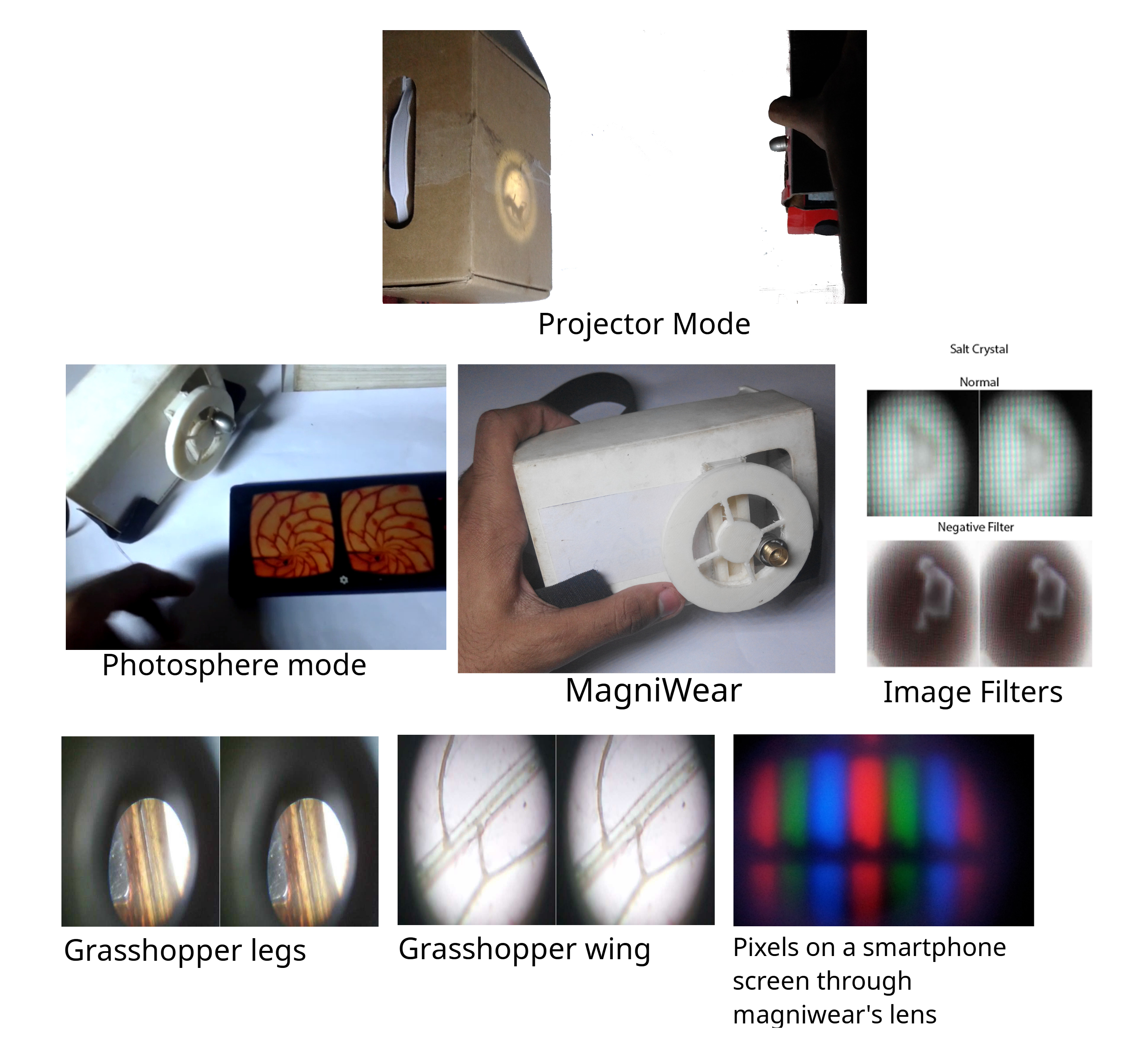
An AR/VR microscope on the Google Cardboard platform, operated hands-free by voice while exploring biological samples, doubling as a dental loupe and a live-streaming tool for remote guidance. Selected top 90 globally, Google Science Fair 2015.
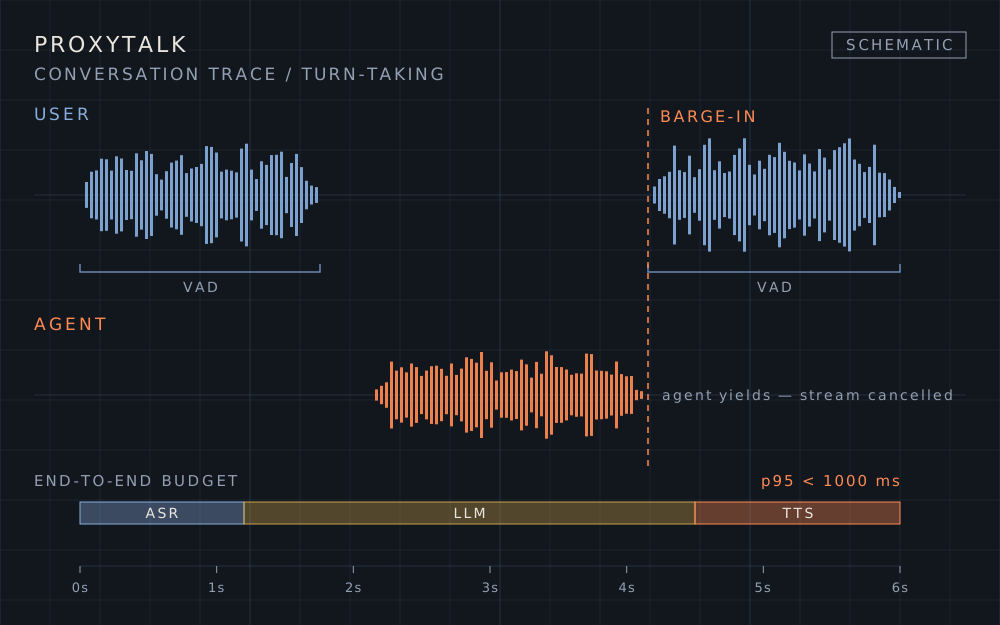
A real-time voice-agent platform: a streaming ASR → LLM → TTS pipeline over SIP/WebSocket with VAD, turn-taking, and barge-in, built on the OpenAI APIs. Sub-1,000ms p95 end-to-end latency.
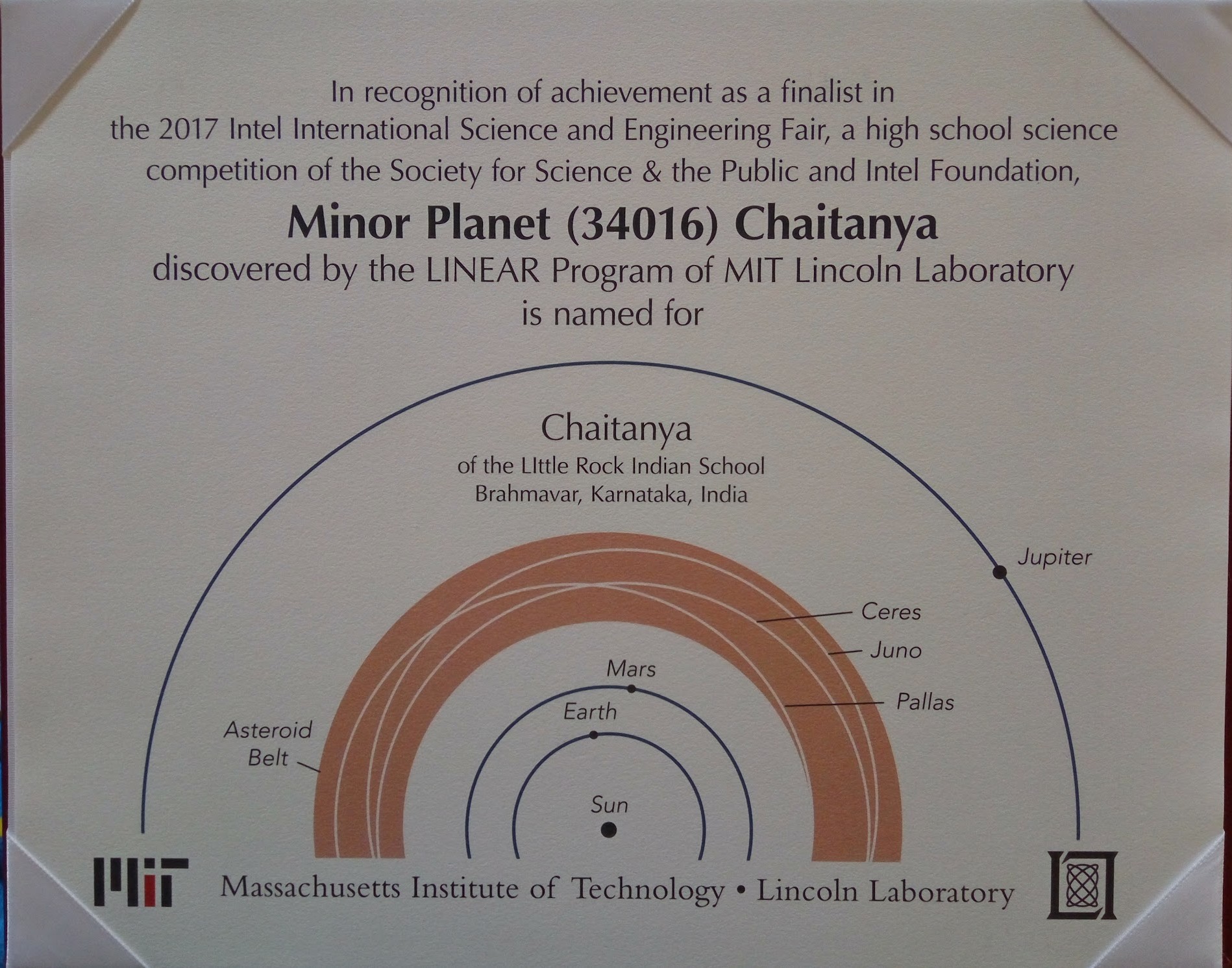
Named by MIT Lincoln Laboratory's Ceres Connection program, following the Second Place Grand Award in Biomedical Engineering at Intel ISEF 2017.
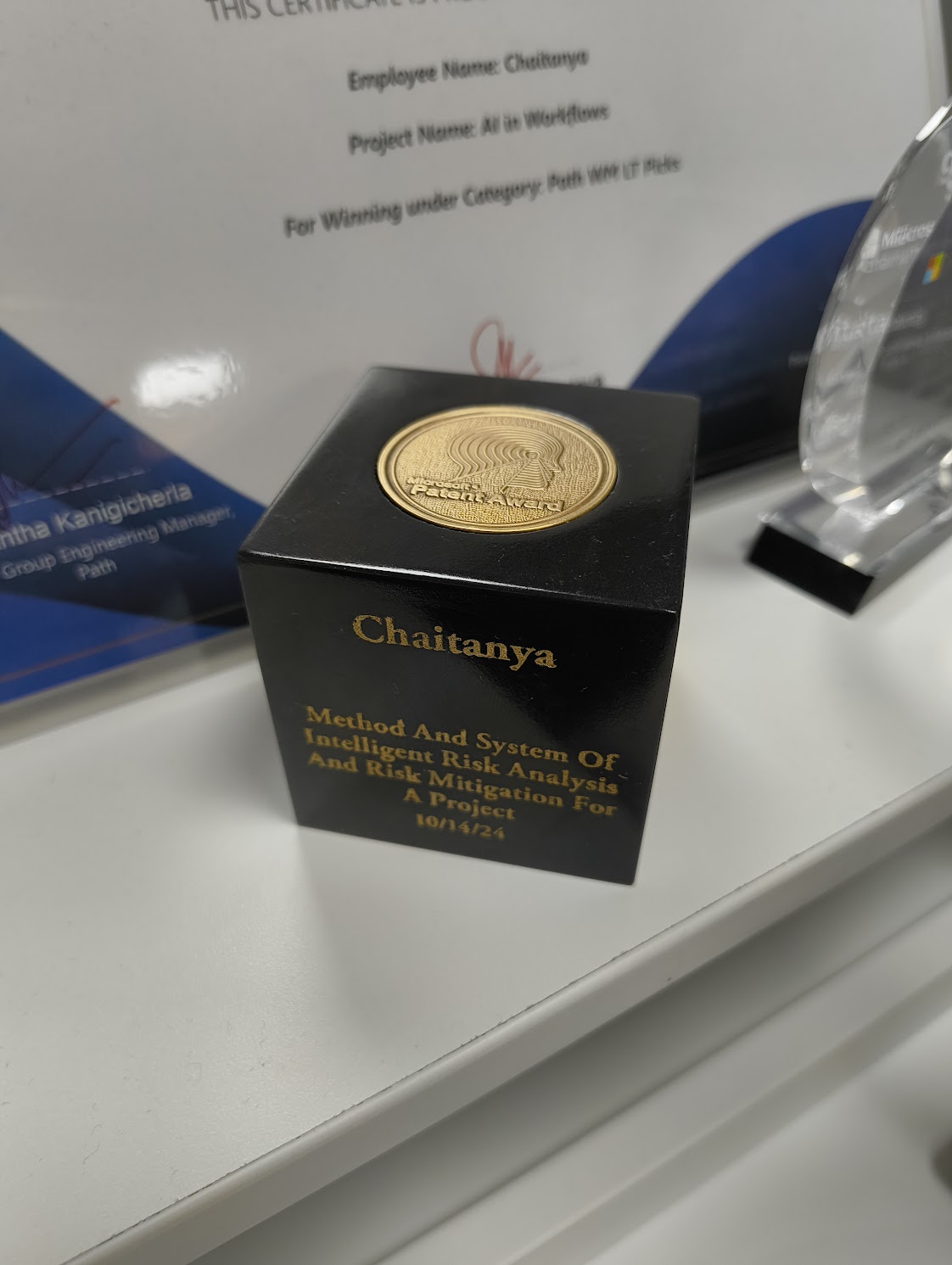
Filed at Microsoft, for risk assessment and mitigation recommendations in projects, and for better context extraction for task execution.
Microsoft internal hackathon wins, with multiple ideas adopted into the product roadmap.
IGVC at Oakland University, Michigan, with Project Manas — the team behind Solo, the autonomous ground vehicle.
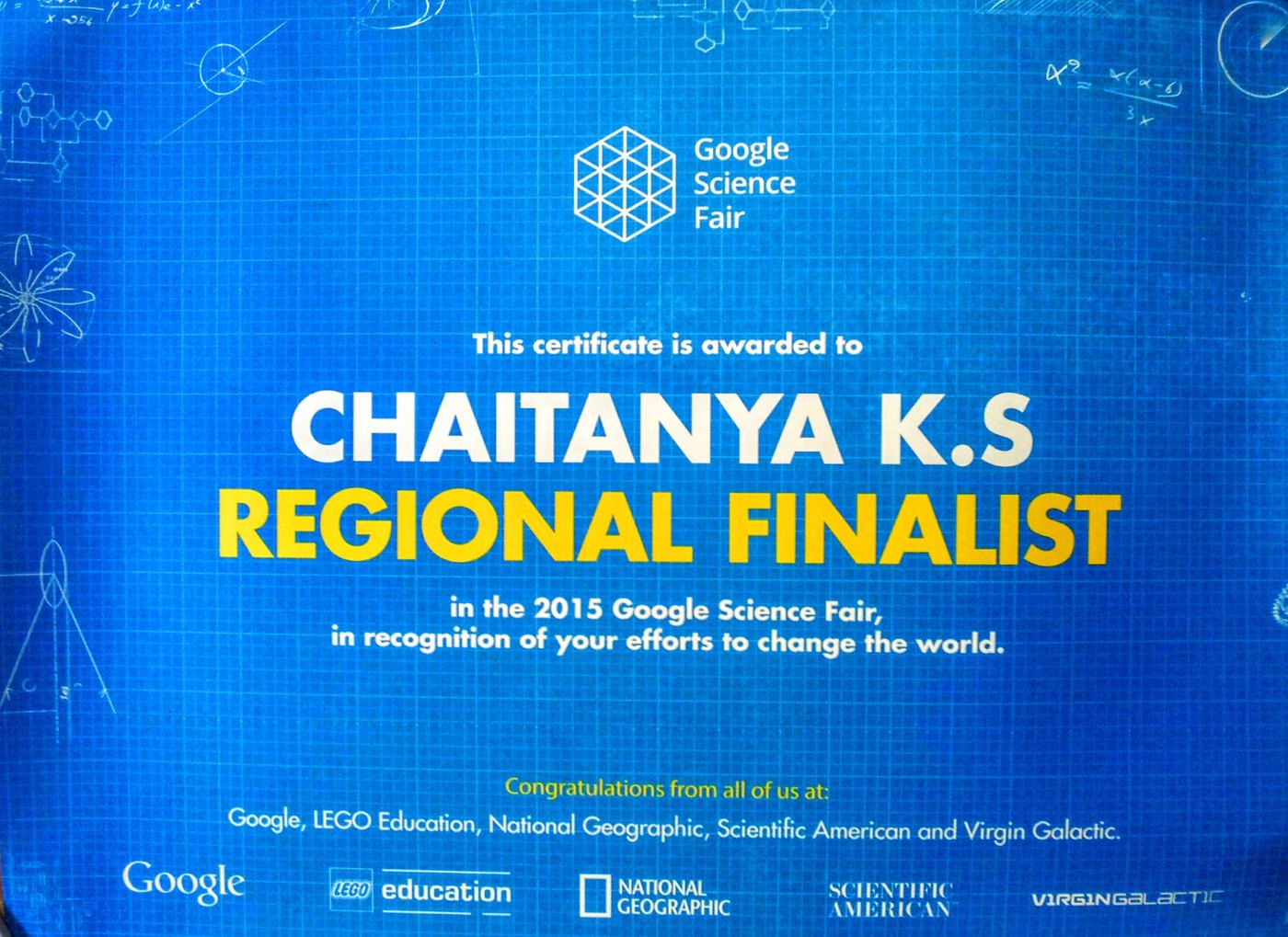
Named a Regional Finalist — one of 90 selected worldwide — for Magniwear, the Google Cardboard AR/VR microscope.